Laboratory
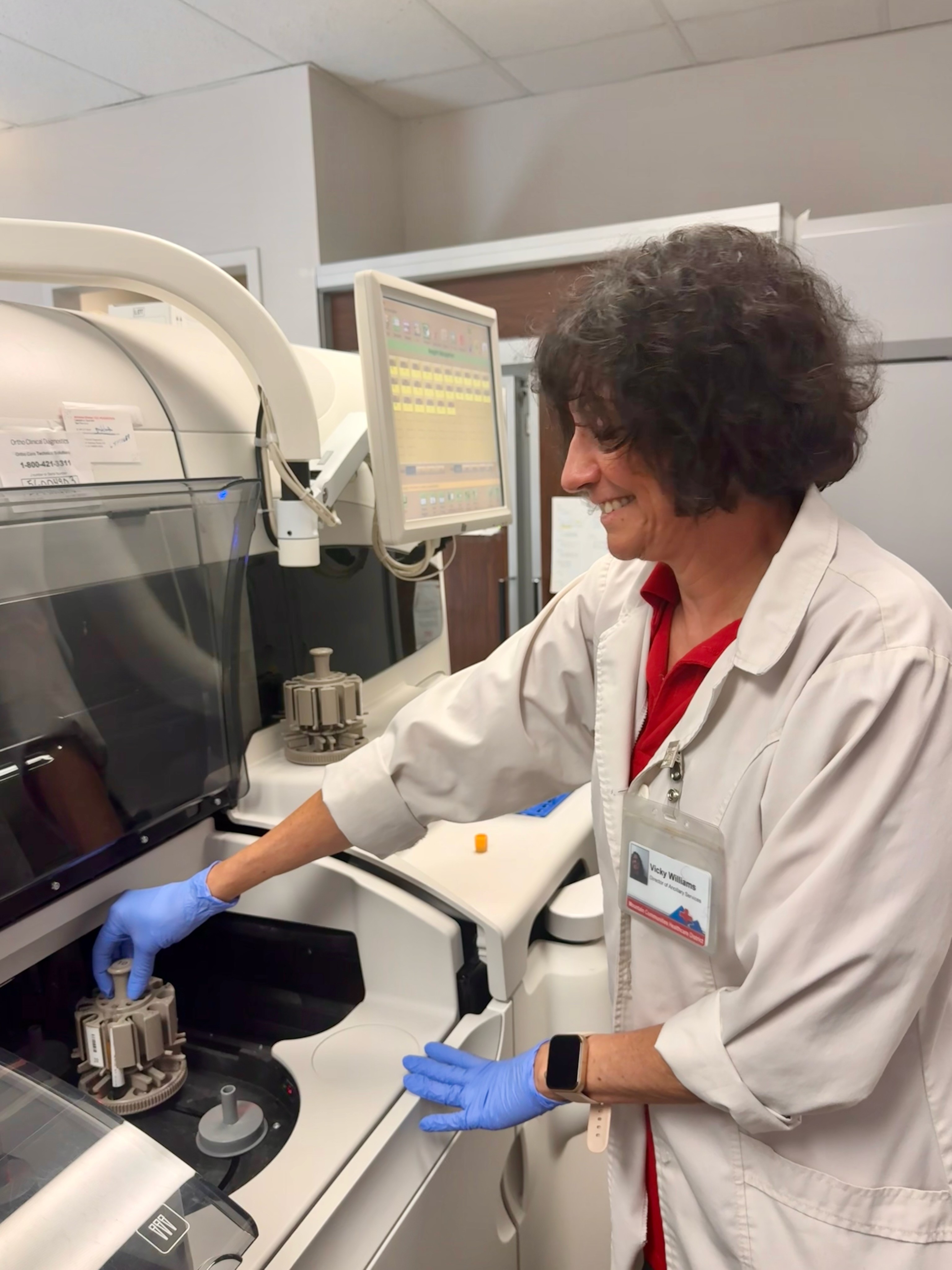
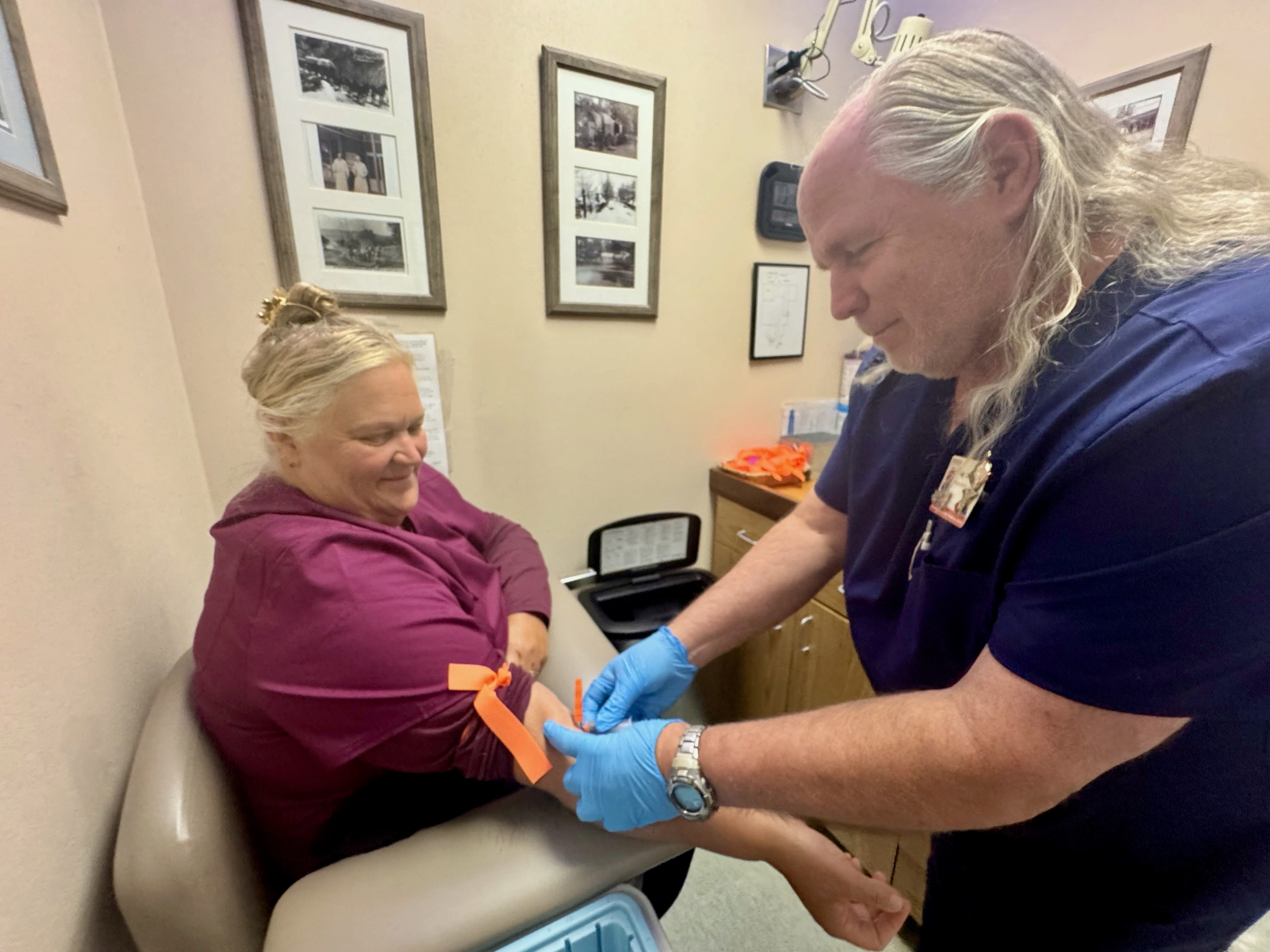
Trinity Hospital Laboratory is proud to serve our local communities with state-of-the-art, gold standard testing equipment and professional staff that consists of Phlebotomists, Medical Laboratory Technicians (MLT), and Clinical Laboratory Scientists (CLS). We know doctors rely heavily on laboratory tests to help guide their medical decision-making to care for their patients. It is estimated that up to 70% of all medical decisions are based on laboratory results. Trinity Hospital Laboratory is dedicated to providing a large variety of testing for the community and is committed to increase testing options whenever possible. Adding tests in-house allows for us to improve resulting times for better patient care. Our laboratory performs more outpatient testing than most rural hospitals. We are a critical access hospital, which means we are cost-based reimbursement. The department’s goal is to perform more testing, as volume justifies. We refer low-volume tests to our reference lab. Last year, the lab performed 37974 Hematology–Coagulation tests; 103410 Chemistry tests, which include: Basic Chemistry, Urinalysis, Endocrinology, and Toxicology; 3762 Microbiology, including PCR; 2231 General Immunology tests, and 37974 Hematology tests. Quite a bit more than one would expect.
The lab has two analyzers for Chemistry, the Vitros 5600 dry slide chemistry and immunochemistry and theAccess 2 for hormones, vitamins, and tumor markers. The Vitros 5600 is capable of using one specimen to perform a basic chemistry panel, iron studies, cardiac panel, thyroid testing, and hepatitis markers, all in one specimen. A chemistry panel now takes only seven minutes, and if the doctor adds on a cardiac panel, the results are out within 20 minutes. For many patients, quick turnaround times are critical.
The Hematology department has two analyzers, one for our daily workflow and one for backup. The Hematology analyzer runs commonly ordered tests, including testing of red and white blood cells, platelets, and body fluids. Among other things, these can be used to look for anemia or see if your body is fighting an infection. At times, the CLS will need to verify results by reviewing a stained slide and perform a manual differential. The analyzer will review 10,000 cells to the CLS’s 100. If there is no additional verification needed, the turnaround time is less than 2 minutes. The CLS staff is finding they don’t have to do as many manual differentials or slide reviews because the analyzer is so accurate.
The Microbiology department sets up aerobic and anaerobic cultures, performing identification and sensitivities. Also, within the last four years, molecular testing was brought in-house. Molecular testing seems to be the future for most microbiology testing. Traditional methods for identification and sensitivity will still be required in order to get the patient on the appropriate antibiotic.
Blood Banking is available but very low volume at Trinity Hospital. Blood Banking is still tube testing. The volume is low and doesn’t justify gel or solid phase testing. The department performs Type and Crossmatches for patients who require transfusions, whether an emergency or a scheduled Outpatient Crossmatch. We also perform prenatal testing as part of the patient's prenatal care.
The lab is here for the Emergency Department, inpatients, and outpatients. Turn-around time is critical. With these analyzers and skilled professionals to serve our patients, time is reduced, results are accurate, and thephysician can treat patients much faster.
Louis Pasteur said, “Without laboratories, men of science are soldiers without arms”.
Diagnostic Imaging
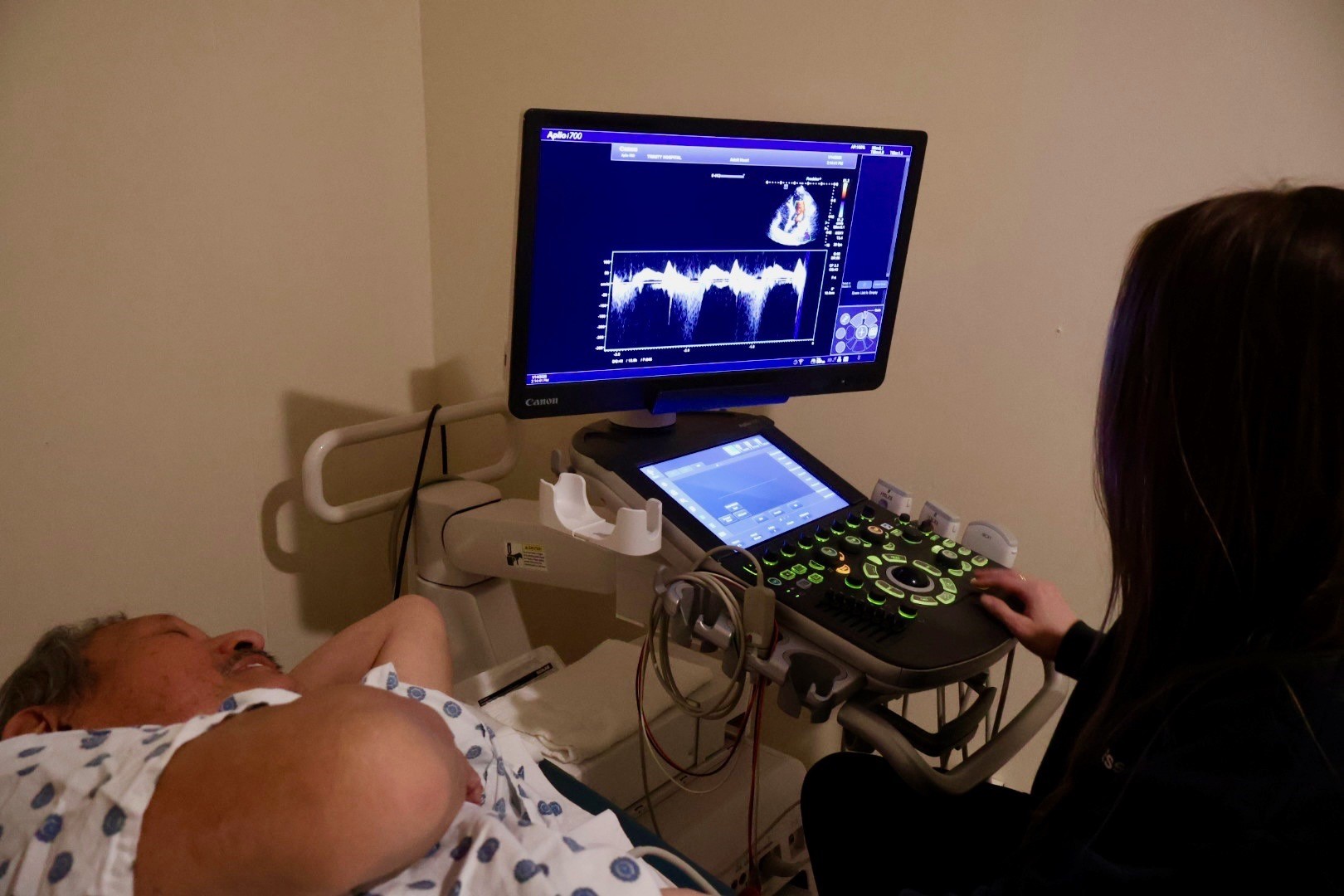
Trinity Hospital Radiology Department offers a variety of diagnostic imaging services. The department uses the latest “state of the art” technology to get clear quick images that help guide medical providers to make the best decision for your care.
Our imaging and radiology services include:
Low Dose CT scans: full body, CT Angiography, lung cancer screening and is ACR (American College of Radiology) Accredited.
Ultrasound: Abdominal, Pelvis, Obstetrics, Aorta, Venous and Arterial extremities
X-ray
Echocardiogram (ultrasound of your heart)
24-hour emergency CT and X-ray services after hours, weekends, and holidays
Our technologists are certified through CRT (California Registered Technologist), ARRT (American Registry of Radiologic Technologist), and ARDMS (American Registered Diagnostic Medical Sonography). We strive to provide our patients with an easy and stress-free experience.
Our patient centered approach means we do our best to answer all your imaging related questions and concerns.
Respiratory Therapy
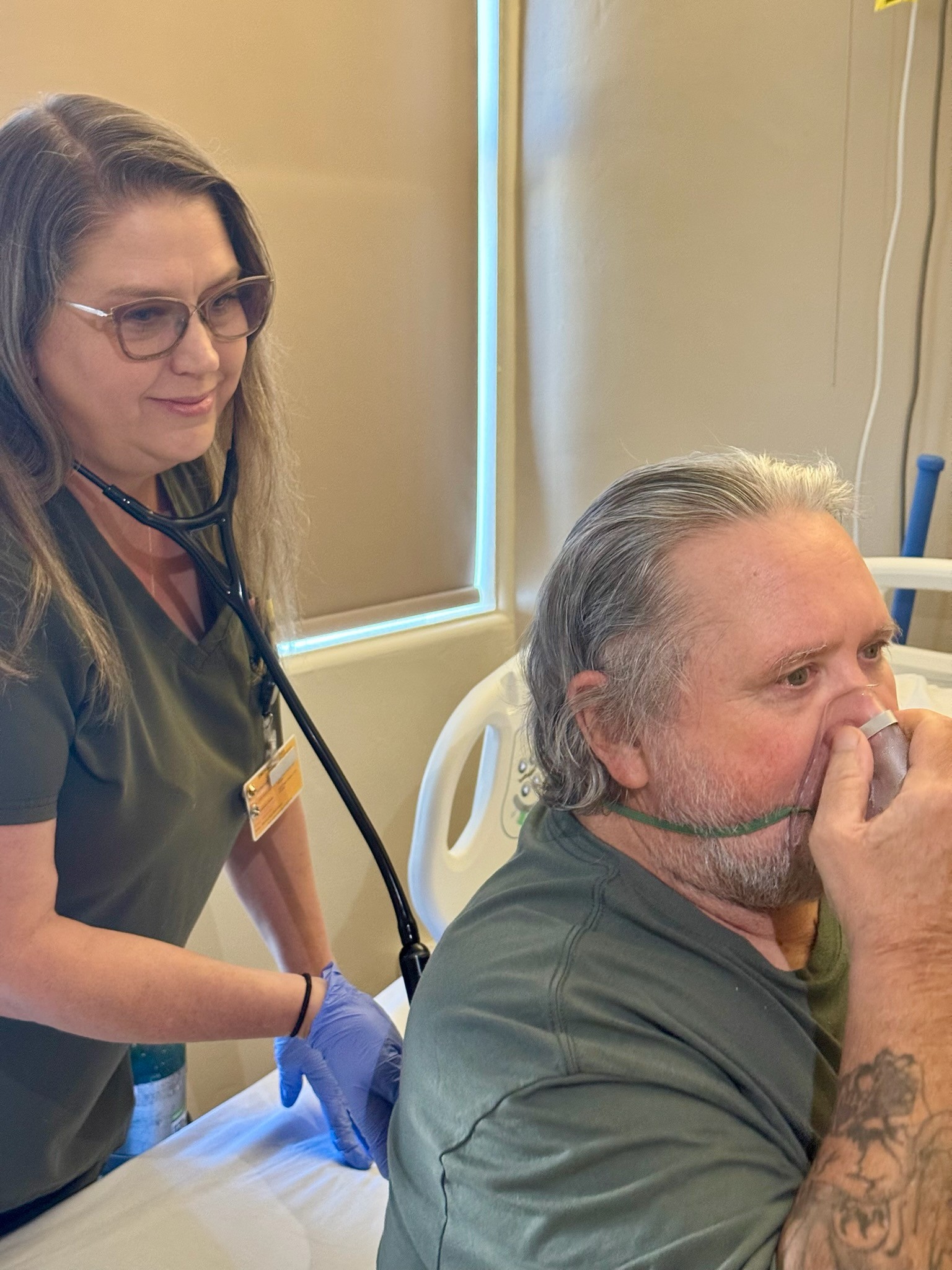
Respiratory Therapists (RT) play a crucial role in providing exceptional care for patients with heart and lung diseases, whether those conditions are acute or chronic. They specialize in treating individuals suffering from asthma, chronic obstructive pulmonary disease (COPD), restrictive lung disease, emphysema, cystic fibrosis, and sleep apnea, along with patients experiencing heart attacks or strokes.
RTs conduct a variety of essential treatments, including MetaNeb therapy, pre- and post-bronchodilator spirometry, and nebulizer treatments. They assess patients' oxygen needs and collaborate closely with physicians to recommend the most effective modes of oxygen treatment, such as masks, nasal cannulas, continuous positive airway pressure (CPAP), or bi-level positive airway pressure (BIPAP). Furthermore, they perform incentive spirometry, peak flow meter tests, home oxygen qualifications, and vital COPD screenings. Their responsibilities also include collecting and interpreting arterial blood gases (ABGs), conducting electrocardiograms (EKGs), educating patients, assisting with intubation, and providing ventilation support.
By offering comprehensive respiratory services on-site, Trinity Hospital can effectively care for patients with respiratory illnesses, ensuring that they receive the treatment they need without the added burden of transferring to another facility.